Vibrating Compaction Hammer 5021 X / 001

$0.00

Download PDF

Description

Standard: EN 13286-4 (Annex A), BS 1377:4/ BS 1924:2

Product Description

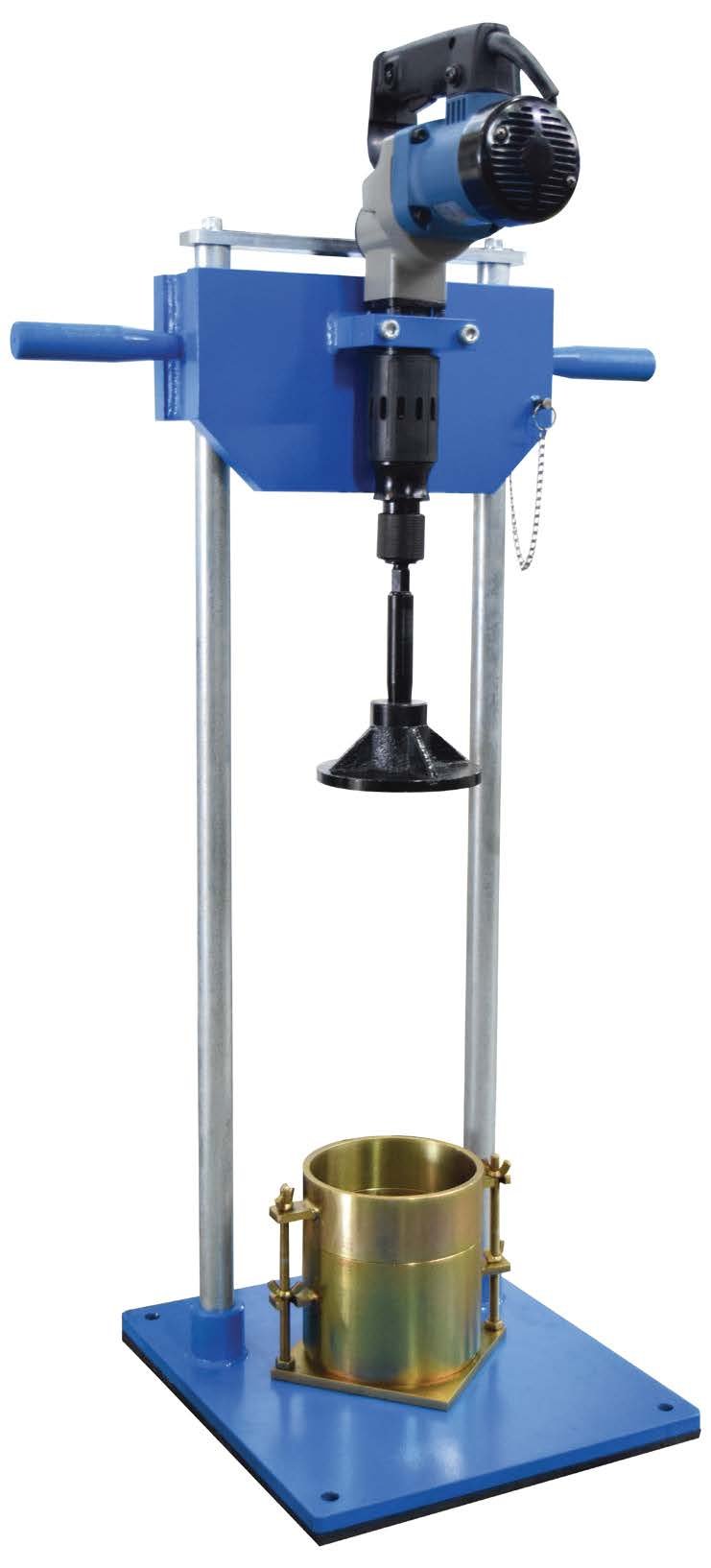
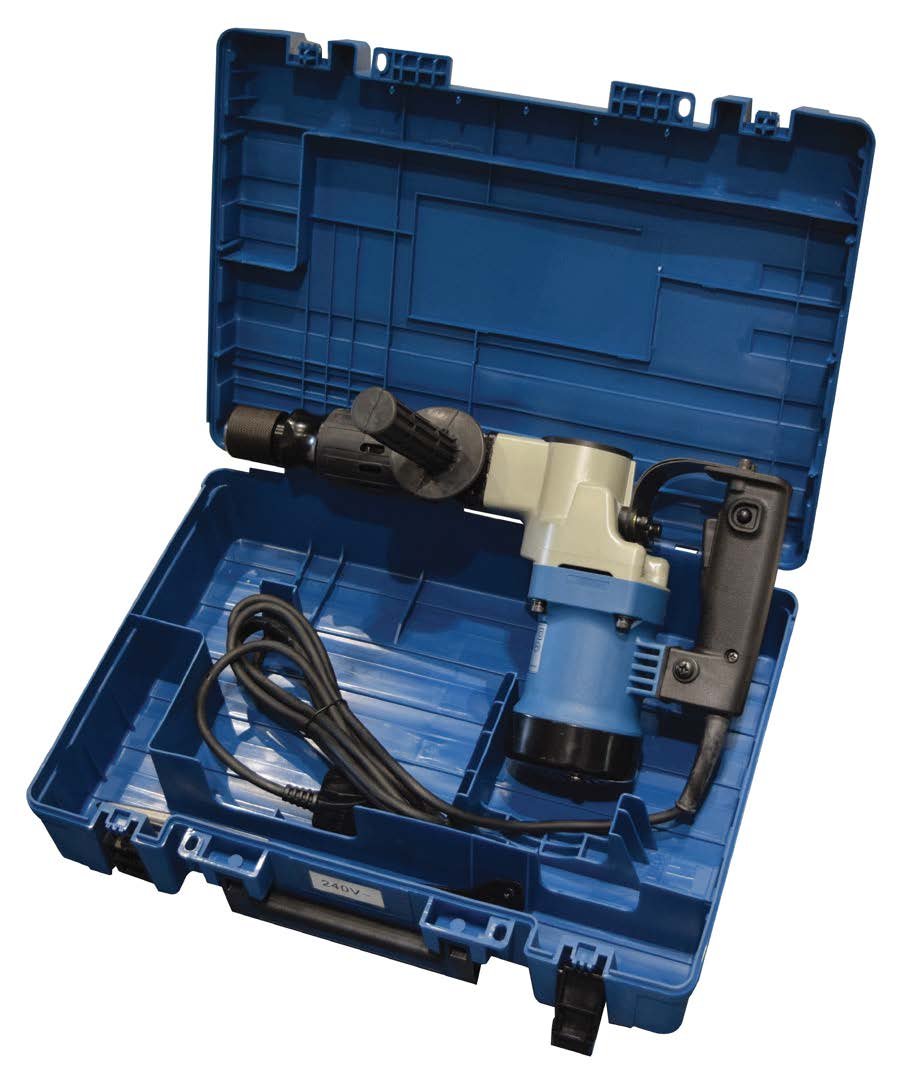
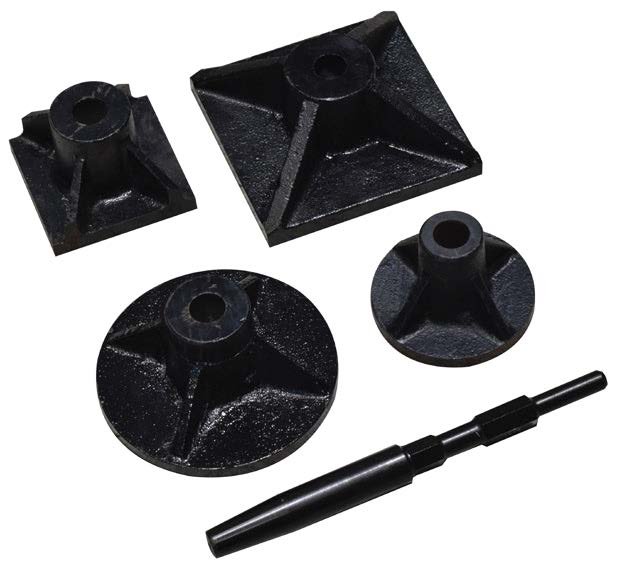
The Vibrating Compaction Hammer is a construction machine with a heavy plate that vibrates rapidly. Its used to compact soil, gravel, or asphalt before laying down roads or building foundations. The vibrations push out air and increase material density, ensuring stability and reducing the risk of settlement. These machines come in various sizes for different tasks from small handheld versions for tight spaces to larger models for heavy-duty compaction. The hammer is used for compacting of Proctor and CBR Soil specimen. By changing appropriate tamping foot, it also can be used for compacting concrete cube or beam specimens and compacting asphalt in the percentage refusal density test (PRD Test). Supplied without accessories which have to be order separately.

Features of Vibrating Compacting Hammer

  • Vibrating Mechanism that creates rapid vibrations in the heavy compaction plate.
  • Compaction Plate that transmit vibrations efficiently and pressure is being applied evenly across the surface being compacted.
  • Handlebar which is attached to the compaction plate which helps in maneuvering in tight spaces and maintaining stability during operation.
  • Portability & Durability for easy transportation and can withstand the rigours of construction work

Standard: EN 13286-4 (Annex A), BS 1377:4/ BS 1924:2

  • EN 13286-4 (Annex A)

This standard states guidelines for measuring the maximum and minimum dry densities as well as the water content of granular soil and fine aggregates. Annex A specifically addresses the Proctor compaction test, essential for assessing soil compaction characteristics.

  • BS 1377:4

This British standard offers guidelines for soil testing in civil engineering applications. Part 4 emphasises the compaction characteristics of soils through methods such as the Proctor Compaction test and the California bearing ratio (CBR) test. It explains how the preparation and compacting of soil samples in the laboratory to determine the suitability for construction projects.

  • BS 1924:2

This British standard is a segment pf the BS 1924 series, focusing on soil testing methods for civil engineering. Part 2 is dedicated to determining the in-situ density of soil through the sand replacement method. This technique replaces a measured volume of soil in its natural location with sand of known density, enabling calculation of the soil’s actual density in place. This standard is vital for assessing soil conditions accurately, aiding in the planning and execution of construction projects.

Test Procedure

  1. Test Area Preparation: Test area should be cleared from any debris that could interfere with the compaction process.
  2. Equipment Calibration: Compaction Hammer should be calibrated according to manufacturer specifications.
  3. Test Location Selection: Select an appropriate place for testing compaction. The area should be similar to the construction site’s soil or material composition.
  4. Measurement: The initial height or thickness of the material should be measured before the compaction process. This measurement will be compared to the final compacted height to determine the degree of compaction achieved.
  5. Compaction Process: In order to compact the material systematically, the vibration compaction hammer is used.
  6. Passes: To ensure thorough compaction, make multiple passes over the test area.
  7. Final Measurement: Once compaction is complete, measure the final height or thickness of the compacted material.
  8. Calculation: By comparing the initial and final measurement, the degree of compaction can be calculated. This can be expressed as a percentage of the original height or thickness.
  9. Documentation: Record the testing procedure, including any adjustments made to the compaction hammer and the results of the compaction test.
  10. Analysis: Analyse the results to determine if the compaction meets project specifications and requirement. Adjustment to the compaction process may be necessary based on the test results.

Test Specification:

Model Number 5021 X / 001
Alternate Code DH 0810
Impact Rate 2900 / 3480 min
Dimension (mm) 440 (L) x 95 (W) x 240 (H)
Approx. Weight 6.3 kg
Power 220 V, 1 ph, 50 / 60 Hz, 1050 W

Optional Accessories:

Model Number Accessories Description Weight
5021 X / 001 – A 001N Supporting Frame 63 kg
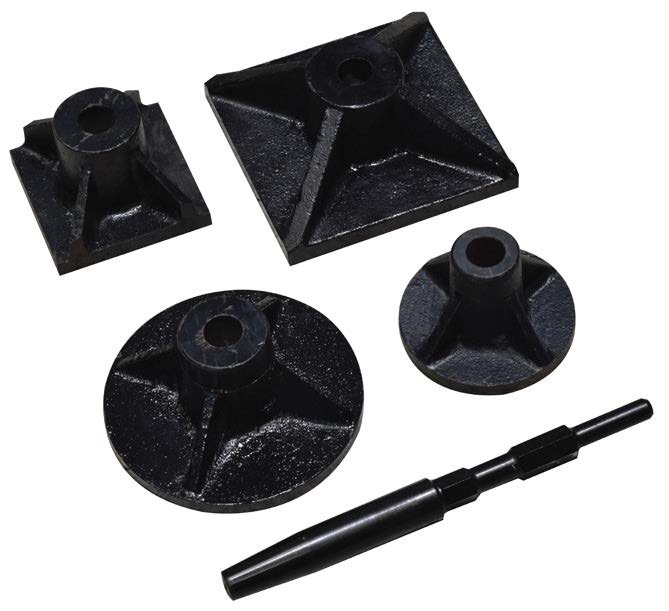
5021 X / 001 – A 002 Proctor Tamping Foot (Ø 100 mm) 1.2 kg
5021 X / 001 – A 003 Proctor, CBR & PRD Tamping Foot Ø 145 mm 2.3 kg
5021 X / 001 – A 004 100 mm Concrete Cube Tamping Foot 90 x 90 mm 1.7 kg
5021 X / 001 – A 005 150 mm Concrete Cube Tamping Foot 140 x 140 mm 3.5 kg
5021 X / 001 – A 006 Steel Shank 250 mm (L) 0.6 kg

Reviews

There are no reviews yet.

Be the first to review “Vibrating Compaction Hammer 5021 X / 001”

Your email address will not be published. Required fields are marked *

Cart (0 items)