


Description
Standard: ASTM D1556, AASHTO T191, CNR No.22, NF P94-061-3
Product Description
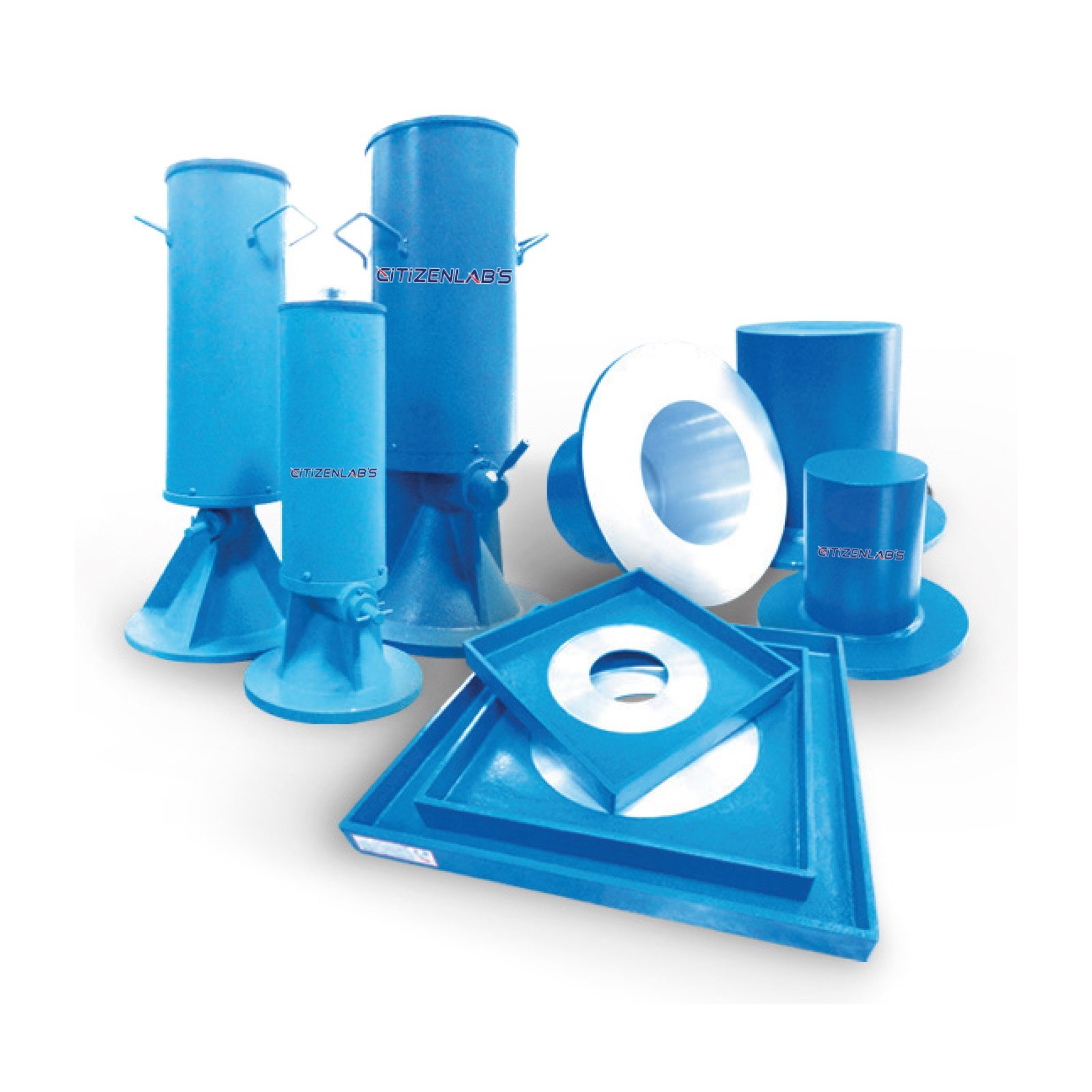
The Sand Density Cone Apparatus also known as Sand Replacement Test, is a method to determine the in-situ density of soil. It’s widely used in construction and geotechnical engineering to assess the compaction and density of soil in the field. The Sand Cone Apparatus operates on the principle of volume displacement. The in-situ density of soil is a critical parameter in various construction applications, such as road construction, foundations, and retaining walls. Adequate soil compaction ensures stability, load-bearing capacity, and resistance to settlement, thereby elevating the performance and longevity of structures. By assessing the soil density accurately, engineers can makes informed decisions regarding construction methods, materials selection, and quality control measures.
Features of Sand Density Cone Apparatus
- The cone is designed to have a specific volume and the material its made of is metal. It’s vital for accurately measuring the volume of sand used in the test.
- The diameter of the cone (6.5⌀) is a critical feature, as it determines the size of the hole excavated in the soil and the volume of sand required for the test.
- The large diameter of the apparatus allows for greater volume of sand to be used in the test, enabling more accurate measurement of soil density in larger soil volumes or deeper layers.
- The equipment is designed to be portable, aids in easy transportation to various testing sites. Mainly useful for fieldwork and construction projects.
Standard: ASTM D1556, AASHTO T191, CNR No.22, NF P94-061-3
-
ASTM D1556
This American standard which is also known as “Standard Test Method for Density and Unit Weight of Soil in Place by Sand-Cone Method”, provides a layout for determining the in-situ density of soil using the Sand Cone Method. It states the procedures for preparing the test sire, assembling the sand density cone apparatus, conducting the test, and calculating the in-situ density of soil. Widely embraced in construction and geotechnical engineering spheres, this standard plays a pivotal role in assessing soil compaction and density across diverse applications like road construction, embankments, and foundations.
-
AASHTO T191
AASHTO T191 is similar to ASTM D1556 in terms of its approach towards assessing soil density through the sand cone method. Like its ASTM counterpart, this standard outlines procedures and specifications for equipment, materials, and testing protocols. Endorsed by the American Association of State Highway and Transportation Officials (AASHTO), AASHTO T191 holds particular significance in highway and transportation projects. Its application is widespread in assessing soil compaction and density, crucial for pavement design and construction. By adhering to the guidelines laid out in AASHTO T191, professionals ensure accurate evaluations, contributing to the integrity and durability of transportation infrastructure projects.
-
CNR No.22
This standard established by the Italian National Research Council, holds significant importance in construction and geotechnical engineering endeavour. This standardisation approach, is essential for construction and geotechnical projects where accurate soil density measurements are crucial for structural and integrity. Its application facilitates precise evaluations of soil density, which is essential for ensuring the stability and integrity of various infrastructure endeavours, including buildings, roads, bridges, and foundations. CNR No.22 serves as a valuable resource for engineers, providing them with a standardised framework for conducting soil density tests and making informed decisions in engineering design and construction processes.
-
NF P94-061-3
This French standard highlights on soil compaction testing, specifically addressing the determination of in-situ soil density using the sand replacement method. Its application facilitates precise evaluations of soil density, which are essential for ensuring the stability and integrity of various infrastructure projects,including buildings, roads, and foundation. It outlines the steps involved in preparing the test site, performing the test using the sand replacement method, and calculating the dry density of the soil. Widely recognised and applied in France and other regions where NF standards are adopted, this standard plays a vital role in construction and geotechnical engineering projects.
Test Procedure
- Test Site Preparation: Choose a suitable location to conduct the testing, ensuring its free from debris. Excavate a hole in the soil to the required depth using a suitable method, such as a hand auger or mechanical excavator. Then, compact the bottom of the hole to create a level surface for placing the sand density cone apparatus.
- Apparatus Preparation: Ensure the sand density cone apparatus is cleaned from any contaminants. Make sure the apparatus is assembled properly, including the cone, base plate, funnel and, and sand container.
- Calibration of Apparatus: First, weigh the empty sand density cone apparatus. Then, fill the sand container with measured dry sand and weigh it separately. Pour the sand into the apparatus, weigh the whole assembly, and subtract the apparatus weight to find the sand weight. This ensures accurate measurements for soil density calculations.
- Conducting the Test: Placed the apparatus which already contains the sand on the leveled surface at the bottom of the hole. Remove the base plate carefully, allowing the sand to flow into the hole while minimising disturbance to the surrounding soil. Ensure the sand fills the hole uniformly and completely, without leaving any gaps or void. Replace the base plate and carefully remove the cone from the hole once all the sand has been emptied from the apparatus.
- Measurement and Calculation: Weigh the sand filled apparatus (including the base plate) after the test to determined the weight of sad used. The volume of the sand based on weight and density of the sand should be calculated. Measure its dimensions to determine the volume of the hole. Calculate the in-situ density of the soil using the formula: Density = (Weight of Sand used/ Volume of Hole) – Moisture Content Creation.
- Reporting and Interpretation: Record all pertinent data: test location, hole depth, sand weight, and calculated density. Interpret results per project specs, considering factors like soil moisture or compaction.
- Cleanup: Remove the sand from the test site and back fill the hole with the excavated soil. Clean and store the sand density cone apparatus properly for future use.
Technical Specifications:
| Model Number | 5015 X / 002 |
| Dimension | Ø 300 mm x 450 mm |
| Approx. Weight | 1.3 kg |
Set Consists Of:
| Model Number | Model Number | Qty |
| 5015 X / 002 – P 001 | Cone Assembly c/w Valve | 1no. |
| 5015 X / 002 – P 002 | Metal Tray with Center Hole | 1no. |
| 5015 X / 002 – P 003 | Plastic Bottle 4.5 L | 1no. |
Optional Accessories:
| Model Number | Accessories Description |
| 5015 X / 002 – A 001 | Calibration Container |
| 7015 X / 001 | 600 / 300 Density Sand 50 kg / pck |
Reviews
There are no reviews yet.