

الوصف
Standard: TRL (CS229), ASTM D6951
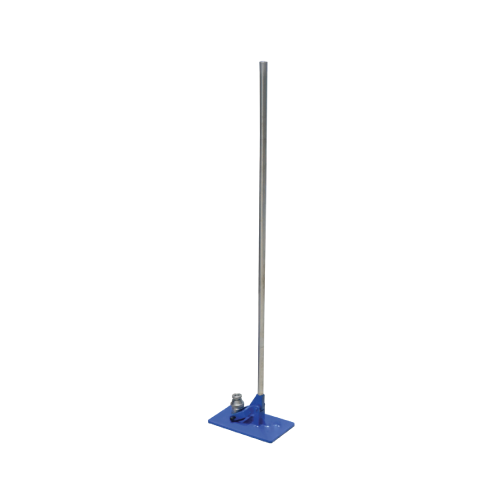
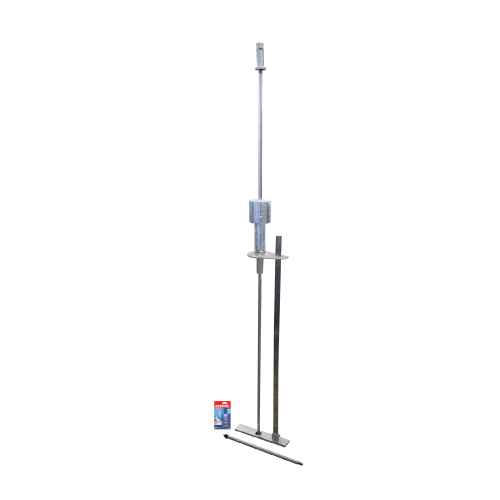
Dynamic Cone Penetrometer
A Dynamic Cone Penetrometer is a portable instrument used for the rapid in-situ measurement of the structural properties of existing road pavement constructed with unbound materials, measuring the strength and compaction characteristics of soil. It consists of a steel rod with a cone-shaped tip, which is driven into the ground using a drop hammer of known mass and height. Continued measurements can be made down to a depth of approximately 850 mm or when extension shafts are used to a recommended maximum depth of 2 m. Where pavement layers have different strengths the boundaries can be identified and the thickness of the layers determined. The Dynamic Cone Penetrometer measures the penetration resistance of the soil as the cone penetrates the ground. The resistance is typically recorded at regular depth intervals. This data can be used to evaluate soil strength, compaction, and the presence of different soil layers. Dynamic Cone Penetrometers are commonly used in construction, road building, and civil engineering projects to assess the suitability of soil for various applications, such as building foundations or road subgrades. They are relatively simple and cost-effective tools for obtaining valuable information about soil properties in the field.
Features of Dynamic Cone Penetrometer
- Rapid In-Situ Measurement: Enables rapid assessment of soil and pavement properties directly in the field, providing real-time data without the need for laboratory testing.
- Portability: Designed to be portable, allowing engineers and technicians to easily transport it to various field locations for on-site measurements.
- Cone-Shaped Tip: The steel rod of the Dynamic Cone Penetrometer is equipped with a cone-shaped tip, which facilitates penetration into the soil or pavement layers with minimal disturbance.
- Drop Hammer Mechanism: The Dynamic Cone Penetrometer utilizes a drop hammer of known mass and height to drive the cone into the ground, ensuring consistent and controlled impact force during penetration.
- Depth Measurement Capability: Measure penetration resistance at various depth intervals, providing valuable information about soil or pavement layer thickness and variability.
- Identification of layer Boundaries: By analyzing the penetration resistance data, the Dynamic Cone Penetrometer can help identify boundaries between different soil or pavement layers, aiding in pavement design and construction quality control.
Technical Specifications:
| Model Number | 5027 X / 001 |
| Dimension (mm) | 1060 (L) x 170 (W) x 140 (H) |
| Approx. Weight | 26 kg |
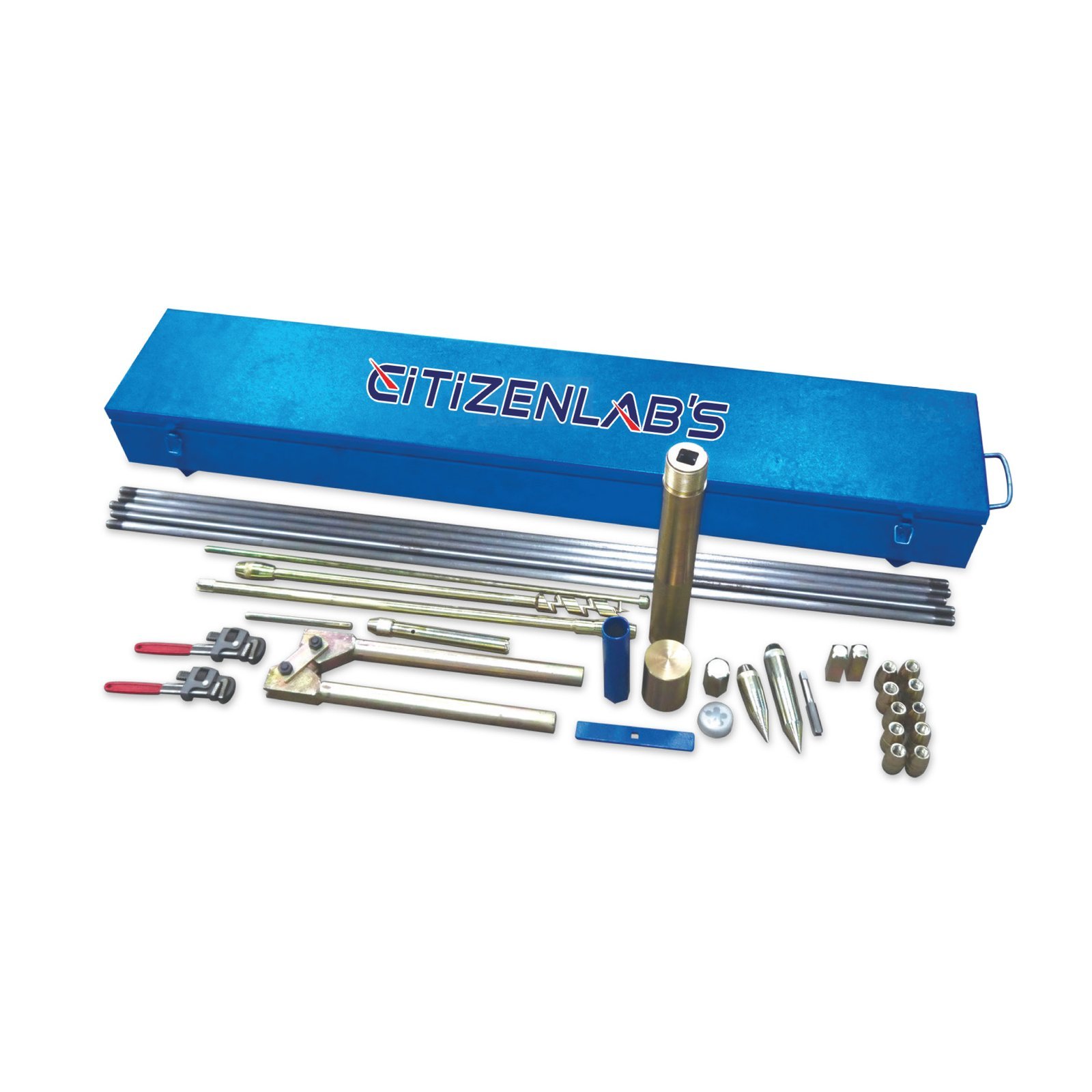
Set Consists Of:
| Model Number | Parts Description |
| 5027 X / 001 – P 001 | Guide Rod Handle |
| 5027 X / 001 – P 002 | Sliding Hammer – 8kg |
| 5027 X / 001 – P 003 | Hammer Guide Rod (575mm Falling Height) |
| 5027 X / 001 – P 004 | Anvil Guard Unit |
| 5027 X / 001 – P 005 | Penetration Rod 1 (125mm O/A LG.) |
| 5027 X / 001 – P 006 | Penetration Rod 2 (425mm O/A LG.) |
| 5027 X / 001 – P 007 | Penetration Rod 3 (788mm O/A LG.) |
| 5027 X / 001 – P 008 | Penetration Cone 60° x Ø 20 mm |
| 5027 X / 001 – P 009 | Base Guiding Piece |
| 5027 X / 001 – P 010 | Tools Kit Set |
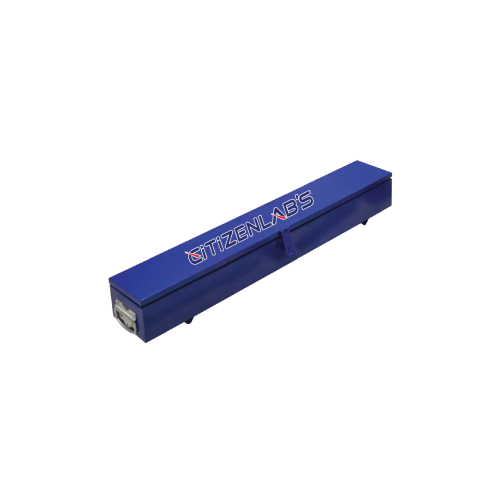
| 5027 X / 001 – P 011 | Steel Carrying Case |
| 7055 X / 004 | Steel Ruler 1 m (L) |
*1 Copy of Manual Instruction
Optional Accessories
| Model Number | Parts |
| 5027 X / 001 – A001 | Lifting Handle (DCP) |
| 5027 X / 001 – A002 | Hand Jack Lifting Tool (DCP) |
Standard: TRL (CS229), ASTM D6951
-
TRL (CS229)
TRL (CS229) provides guidelines and procedures related to transportation engineering, including materials testing, pavement design, and road construction.
-
ASTM D6951
ASTM D695 specifies a method for evaluating the shear strength of cohesive soils using the direct shear test apparatus. This standard helps engineers understand soil behavior for geotechnical projects by subjecting soil specimens to controlled shear forces and measuring resulting stress-displacement relationships.
Test Procedures of Dynamic Cone Penetrometer
- Preparation: Ensure the Dynamic Cone Penetrometer is assembled correctly and all components are in working order. Select the location for testing and clear the area of any debris or obstructions
- Setup: Place the Dynamic Cone Penetrometer on the ground at the desired test location. Ensure the instrument is vertical and stable.
- Initial Measurement: Position the cone tip of the Dynamic Cone Penetrometer on the ground surface. Apply a preload to ensure proper contact between the cone and the ground.
- Testing: Lift the drop hammer to the desired height (usually specified in the testing standard or protocol). Release the drop hammer to allow it to fall freely, driving the cone into the ground. Record the penetration depth after each blow or at specified intervals. Repeat the process until reaching the desired depth or when resistance becomes too high to continue.
- Data Collection: Record the number of blows required to achieve specific penetration depths. Note any significant changes in resistance or soil characteristics observed during testing. Optionally, measure and record additional parameters such as soil moisture content or temperature.
- Analysis: Use the collected data to assess soil strength, compaction, and layer thicknesses. Compare the penetration resistance values to established criteria or standards to evaluate the suitability of the soil for various applications. Identify any variations or anomalies in soil properties that may affect project design or construction.
المراجعات
لا توجد مراجعات بعد.